

Electricity powers our homes and businesses, but not all electrical systems are the same. In Australia, two primary types of power supplies are used: single-phase and three-phase. Understanding the differences between them can help you make informed decisions about your electrical needs.
What is Single-Phase Power?
Single-phase power is commonly found in residential properties across Adelaide and Australia. It operates using two wires: one active (live) wire and one neutral wire. This setup delivers alternating current (AC) at approximately 230 volts. While suitable for standard household appliances and lighting, single-phase power can experience fluctuations, especially when multiple high-demand devices are used simultaneously.
Applications of Single-Phase Power:
- Lighting fixtures
- Standard household appliances (e.g., refrigerators, televisions)
- Small power tools
What is Three-Phase Power?
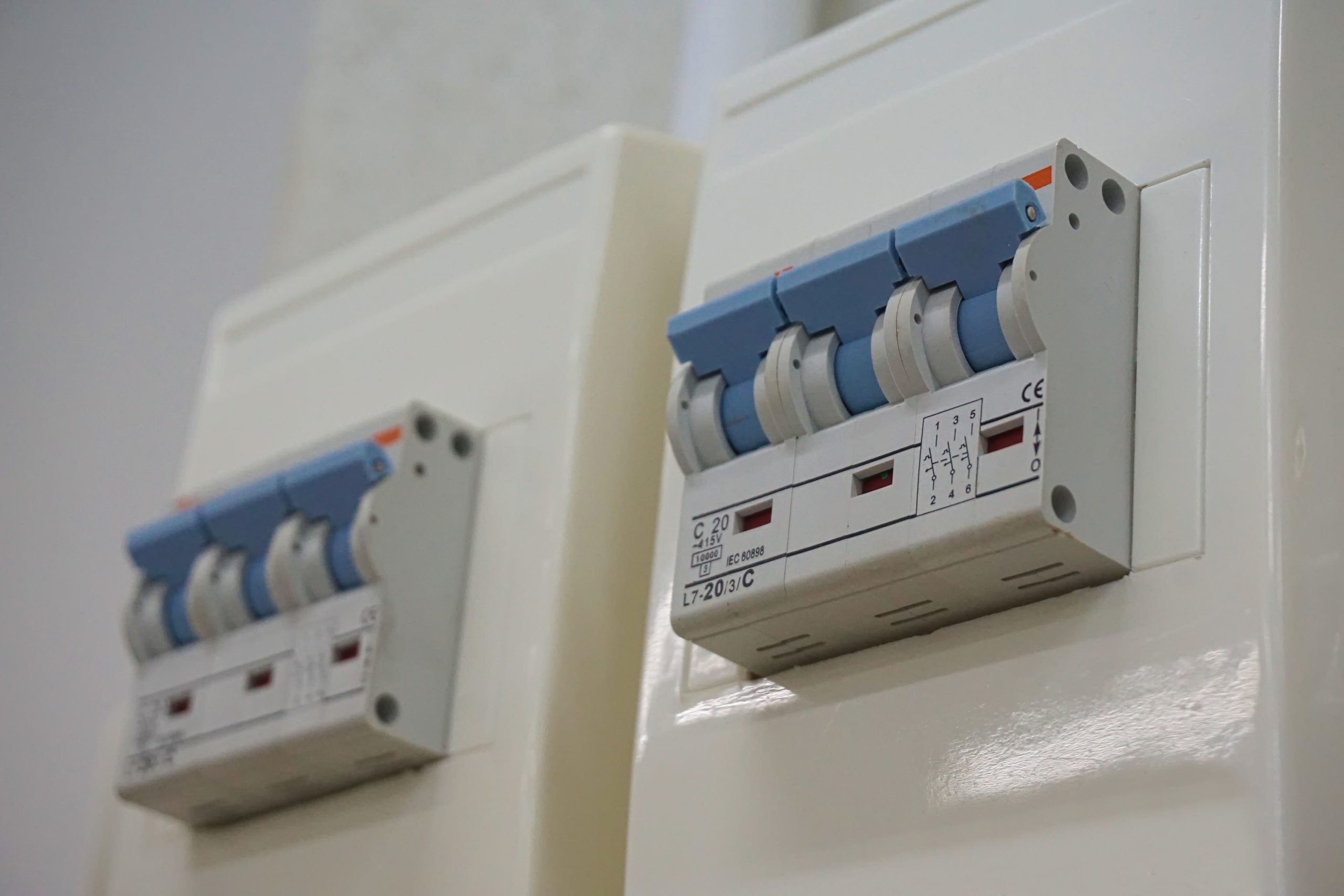
Three-phase power is typically used in commercial and industrial settings but is also beneficial for larger homes with significant power requirements. This system uses four wires: three active wires and one neutral wire. Each active wire carries AC voltage, offset in phase by 120 degrees, providing a more constant and reliable power flow. This configuration delivers both 230V (between an active wire and neutral) and 400V (between active wires), making it ideal for heavy-duty appliances and equipment.
Applications of Three-Phase Power:
- Large air conditioning systems
- Industrial machinery
- Commercial kitchen equipment
- Electric vehicle charging stations
Key Differences Between Single-Phase and Three-Phase Power
1. Power Delivery:
- Single-Phase: Power delivery experiences peaks and troughs, which can lead to less consistent energy supply.
- Three-Phase: Offers a continuous power flow, ensuring a stable and efficient energy supply.
2. Efficiency:
- Single-Phase: Suitable for lower energy demands but less efficient for high-power applications.
- Three-Phase: More efficient for heavy loads, reducing energy losses and improving performance.
3. Equipment Compatibility:
- Single-Phase: Compatible with most household appliances.
- Three-Phase: Necessary for operating high-powered equipment and machinery.
4. Installation and Costs:
- Single-Phase: Generally lower installation costs, ideal for standard residential use.
- Three-Phase: Higher initial installation costs but can lead to cost savings in energy efficiency for larger properties or businesses.
Benefits of Upgrading to Three-Phase Power
If you’re considering an upgrade, here are some advantages of three-phase power:
- Enhanced Appliance Performance: Reduces the risk of overloading circuits, leading to smoother operation of appliances.
- Future-Proofing: Prepares your property for additional electrical demands, such as electric vehicle chargers or advanced HVAC systems.
- Energy Efficiency: Provides a more balanced load, reducing energy losses and potentially lowering electricity bills.
How to Determine Your Current Power Supply
To identify whether your property uses single-phase or three-phase power, check your switchboard:
- Single-Phase: The main switch is typically a single pole (about one finger width).
- Three-Phase: The main switch is broader, usually three poles wide (about three finger widths).
Alternatively, consult your electricity bill or contact a licensed electrician for confirmation.
Considering an Upgrade in Adelaide?
If you’re in Adelaide and contemplating an upgrade to three-phase power, it’s essential to consult with experienced professionals. Upgrading involves changes to your property’s electrical infrastructure and coordination with your energy provider.
Adelaide Complete Electrical Services specialises in assessing and performing power supply upgrades. Our team can evaluate your current setup, discuss your energy needs, and provide a tailored solution to ensure your electrical system is safe, efficient, and future-ready.
Conclusion
Understanding the differences between single-phase and three-phase power is crucial for making informed decisions about your property’s electrical system. Whether you’re experiencing power limitations or planning for future energy needs, knowing which system suits your requirements can lead to improved performance and efficiency.
For personalised advice and professional electrical services in Adelaide, contact Adelaide Complete Electrical Services. We’re here to help you navigate your power needs and ensure your electrical system meets your demands.
