

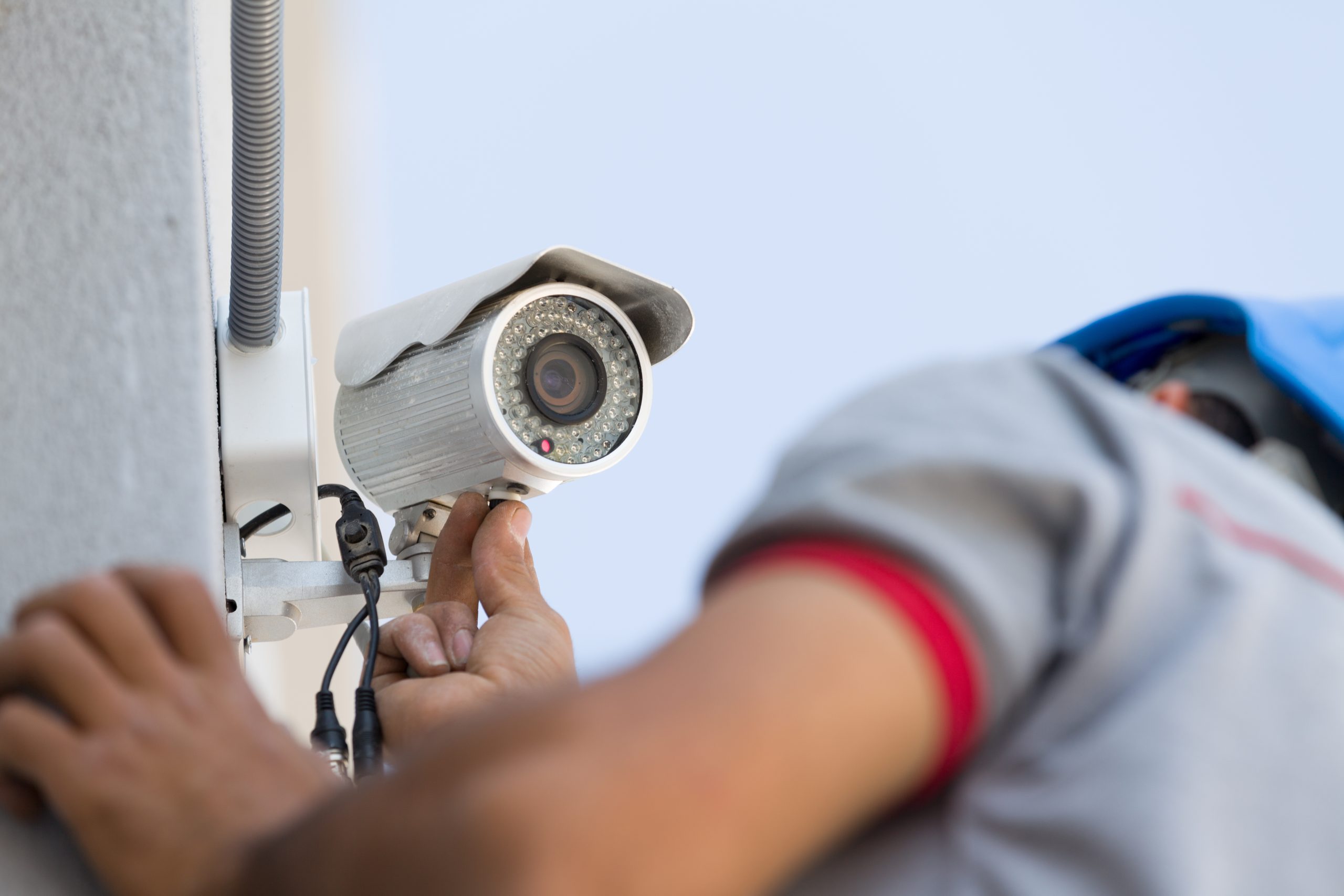
Home security is no longer just an option—it’s a necessity. With rising concerns about break-ins and property damage, more Australian homeowners are investing in CCTV camera systems to protect their families and assets.
Installing a CCTV camera at home may seem complex, but with the right guidance, it can be a straightforward process. This guide will take you through everything you need to know, from choosing the right system to installing and maintaining it properly.
If you’re in Adelaide, the best option for professional CCTV installation is Adelaide Complete Electrical Services. Their team ensures your security system is set up correctly, safely, and in compliance with Australian standards.
Why Install a CCTV Camera at Home?
A well-placed CCTV system can significantly enhance your home’s security. Beyond deterring potential intruders, it provides recorded footage that can be useful for police investigations.
For homeowners who travel frequently, modern CCTV cameras offer remote monitoring via mobile apps, allowing real-time access to live footage. This means you can check on your home from anywhere in Australia—or even overseas—giving you peace of mind no matter where you are.
Choosing the Right CCTV System
The first step in setting up a CCTV system is selecting the right type of camera for your needs.
Wired CCTV cameras are known for their stable connections and higher reliability. However, they require professional installation due to complex wiring. On the other hand, wireless CCTV cameras are easier to install and work well for renters or those who don’t want to deal with extensive cabling.
Camera resolution is another critical factor. High-definition cameras (1080p or 4K) ensure clearer images, which can be crucial when identifying people or objects in the footage. If you need night-time security, infrared or color night vision cameras provide visibility even in complete darkness.
Storage options vary depending on the type of system. Some cameras offer cloud storage, which is ideal for homes with strong internet connections, while others use SD cards or NVR/DVR systems that store footage locally.
For homes in coastal cities like Sydney or Brisbane, it’s essential to choose weatherproof cameras that can withstand humidity and salt exposure. Those in hotter regions like Darwin may need cameras designed for extreme temperatures.
How to Install a CCTV Camera at Home
Step 1: Plan Your Camera Placement
Before installing anything, determine where your cameras should be positioned. Entry points such as front and back doors are priority areas, as they are the most common entryways for burglars. It’s also important to cover blind spots around the property, including side gates, driveways, and backyards.
Indoor cameras can be useful for monitoring common areas such as living rooms and hallways. However, avoid placing cameras in private areas like bathrooms and bedrooms to maintain privacy.
Step 2: Gather Your Equipment
To install a CCTV system, you will need:
- Cameras and mounting brackets
- Power supply (or batteries for wireless systems)
- Network cables (for wired systems)
- A recording device (DVR or NVR)
- A drill and screws for mounting
Step 3: Install the Cameras
Mounting the cameras at a height of at least 2.5 meters helps prevent tampering. Angle them correctly to capture the maximum area without obstructions such as trees or walls. If you are installing a wired system, ensure cables are neatly secured to avoid electrical hazards.
Step 4: Connect and Configure the System
For wired systems, connect the cameras to the recording device and ensure all connections are properly secured. If using a wireless system, connect the cameras to your Wi-Fi network following the manufacturer’s instructions.
Once the system is connected, test the camera feeds and adjust the angles if needed. Enabling motion detection alerts and scheduling recording times can help optimize your system’s efficiency.
Legal Considerations for CCTV Installation in Australia
Installing a CCTV system at home comes with legal responsibilities. While you are allowed to install cameras on your property, you must ensure they do not infringe on others’ privacy.
Avoid positioning cameras where they capture footage beyond your property boundary, such as a neighbor’s yard or a public footpath. In some states, recording audio is restricted under surveillance laws, so disabling the microphone function might be necessary.
If you are unsure about specific regulations in your state, check local laws or consult a legal expert before setting up your system.
Electrical Considerations for a Safe Installation
Since CCTV cameras rely on a stable power supply, it’s crucial to ensure that your electrical setup can support them. If installing a wired system, you may need to connect the cameras to a dedicated circuit to prevent overloading existing electrical connections.
For homes with outdoor cameras, using weatherproof cabling and protective casings will help prevent damage from rain and extreme temperatures. Hiring a licensed electrician is often the best option to ensure compliance with Australian electrical safety standards and avoid DIY mistakes that could compromise your security system.
If you’re in Adelaide, it’s best to hire Adelaide Complete Electrical Services for a safe and professional CCTV installation that follows all Australian electrical codes.
FAQs: Everything You Need to Know About CCTV Cameras at Home
What’s the best type of CCTV camera for home security?
For most homeowners, a wireless CCTV camera with remote access is the most convenient option. However, if you want a more permanent and reliable system, a wired setup with an NVR/DVR recorder is a better choice.
How much does CCTV installation cost?
A basic DIY system can cost between $200 and $700, while professional installation for a multi-camera setup can range from $500 to $2,000, depending on the complexity.
Can I install CCTV cameras myself?
Wireless cameras are easy to install without professional help, but wired systems require drilling and electrical work, so it’s best to hire an electrician if you’re not experienced.
Are there hidden costs in CCTV installation?
Potential hidden costs include cloud storage fees, maintenance expenses, and additional wiring costs if you need an electrician.
Can CCTV cameras work without Wi-Fi?
Yes, wired CCTV systems store footage on a local DVR/NVR, making them independent of an internet connection. However, remote access features require an internet connection.
Final Thoughts on Securing Your Home with CCTV Cameras
A CCTV camera system is one of the best ways to enhance home security. Whether you opt for a DIY installation or hire a professional, choosing the right cameras, following local laws, and considering electrical requirements will ensure your system operates effectively.
If you’re in Adelaide, the best way to guarantee a safe and professional installation is to hire Adelaide Complete Electrical Services. Their team of licensed electricians will set up your CCTV system with precision, ensuring it meets all legal and safety requirements.
For expert CCTV installation in Adelaide, contact Adelaide Complete Electrical Services today.
